BMW X7 vs Volvo XC90: Which Luxury SUV Is Right for You?
October 16 2026,
Choosing a luxury three-row SUV is about more than comparing horsepower or exterior dimensions. You want something that feels refined on your daily commute, comfortable when the whole family is onboard, and capable when Regina's roads and changing weather put your SUV to the test.
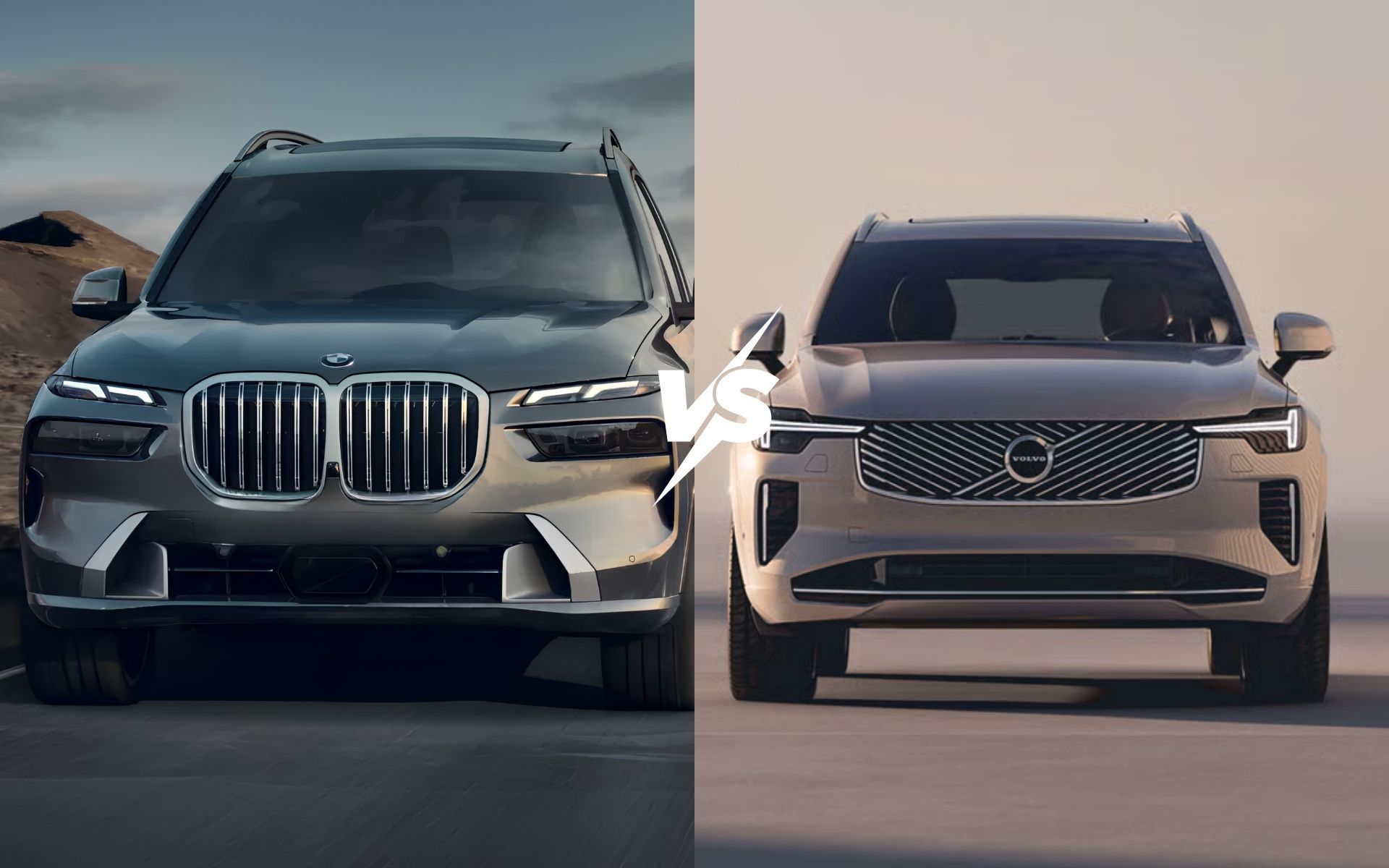
Two models that often enter the conversation are the BMW X7 and Volvo XC90. Both offer three-row seating, all-wheel drive and premium interiors, but they take noticeably different approaches to the luxury SUV experience.
The BMW X7 leans toward stronger performance, larger proportions and a more dynamic driving experience. The Volvo XC90 focuses on Scandinavian design, comfort, efficiency and a calm cabin environment.
So, which one makes more sense for Regina drivers?
BMW X7 vs Volvo XC90: Performance
Performance is one of the clearest differences between these two SUVs.
The BMW X7 xDrive40i uses a 3.0-litre TwinPower Turbo inline-six engine producing 375 horsepower and 398 lb-ft of torque. BMW lists a 0–100 km/h time of just 5.8 seconds. Its xDrive all-wheel-drive system and available adaptive suspension also help give the X7 a confident, controlled feel.
The XC90 B6 AWD, meanwhile, uses a 2.0-litre turbocharged and supercharged mild-hybrid powertrain producing 295 horsepower and 310 lb-ft of torque. Volvo lists a 0–100 km/h time of 6.7 seconds.
That gives the BMW a noticeable advantage if acceleration and responsive performance are high on your list.
Size and Interior Space
Both SUVs are designed to accommodate larger families, but the X7 is the bigger vehicle.
The BMW measures approximately 5,172 mm long, while the XC90 measures 4,953 mm. The X7 is also 2,000 mm wide, compared with approximately 1,931 mm for the XC90.
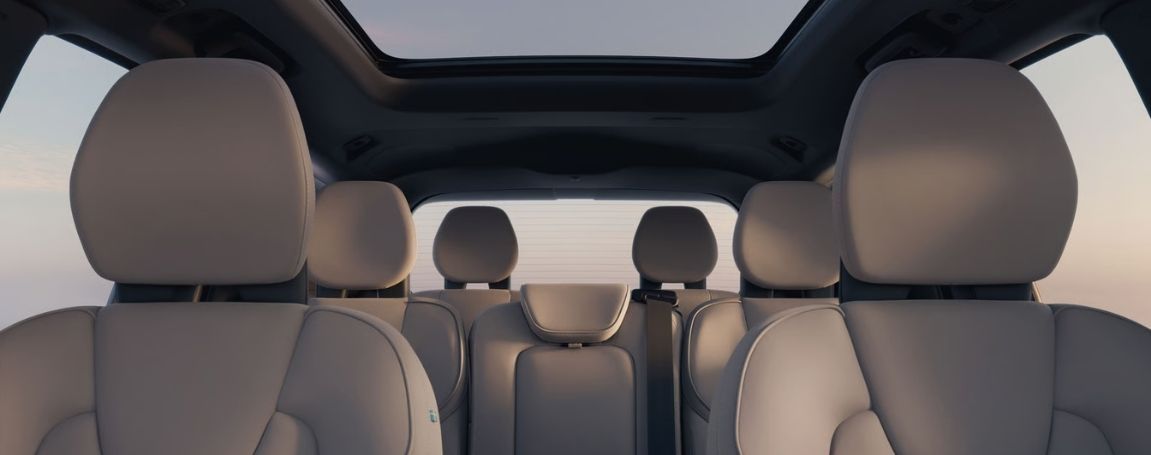
The X7 can be configured as either a six- or seven-seater, giving buyers additional flexibility. BMW also offers an optional six-seat configuration with second-row captain's chairs.
The XC90 is available with six or seven seats as well, depending on configuration. Volvo quotes up to 980 litres of cargo space behind the third row, with considerably more room available when the rear seats are folded.
For families who regularly carry passengers and luggage, the X7's larger overall footprint gives it an advantage.
Comfort and Luxury
This is where the comparison becomes more subjective.
The X7 takes a traditional German luxury approach. Its cabin combines premium materials with a driver-focused layout and advanced technology. Available features include five-zone automatic climate control, a panoramic glass sunroof and an optional Bowers & Wilkins Diamond Surround Sound System with up to 1,475 watts and 20 speakers.
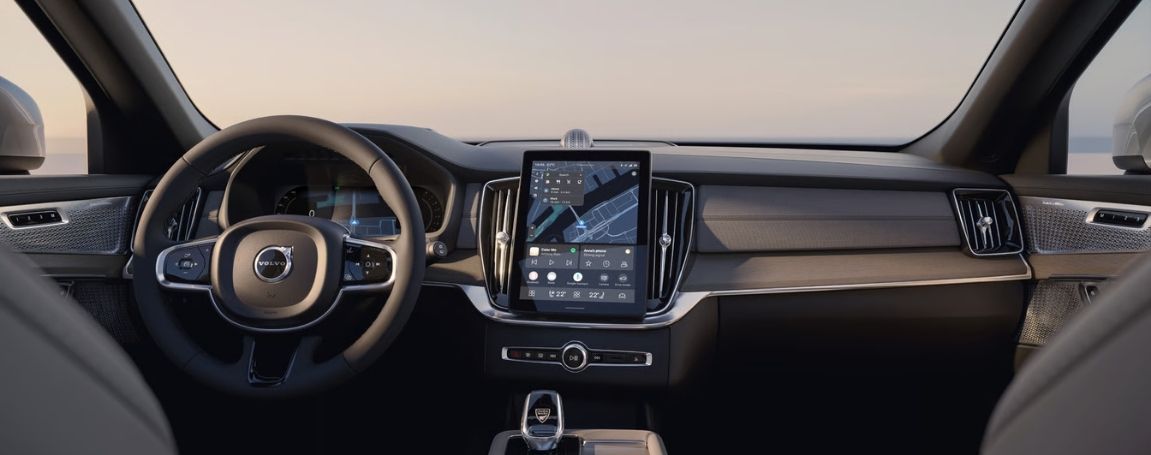
The XC90 takes a different route. Volvo's cabin design emphasizes clean lines, an uncluttered dashboard and a relaxed atmosphere. Its available features include heated seating, Google built-in services, Apple CarPlay, wireless phone charging and a premium audio system.
If you want a cabin that feels especially driver-oriented and performance-focused, the BMW is compelling. If minimalist Scandinavian design and a calm atmosphere appeal more to you, the Volvo deserves a close look.
Technology and Driving Assistance
Both SUVs bring plenty of technology to the table.
The X7 integrates BMW's digital cockpit and iDrive technology with features designed to make navigation, entertainment and vehicle controls easier to manage. Available driver-assistance and chassis technologies further enhance the driving experience.
Volvo takes a particularly strong approach to driver support. The XC90 is built around a broad suite of safety and driver-assistance systems, while its Google-based infotainment setup provides familiar services such as Google Maps and Google Assistant.
For buyers who prioritize advanced safety technology and a straightforward technology experience, the XC90 remains a strong choice.
Which SUV Makes More Sense for Regina?
Regina drivers need an SUV that can handle more than ideal road conditions. Winter temperatures, snow-covered streets and changing road surfaces make all-wheel drive and confident handling particularly valuable.
Both the X7 and XC90 offer AWD, making either SUV suitable for drivers who want additional traction throughout the year.
However, the BMW X7 adds another dimension with its combination of power, size, suspension technology and available features. BMW's available Adaptive 2-Axle Air Suspension is designed to adjust to different driving conditions, while available Integral Active 4-Wheel Steering can improve manoeuvrability.
That makes the X7 particularly appealing if you want a large luxury SUV that remains engaging to drive.
BMW X7 vs Volvo XC90: Which One Should You Choose?
The Volvo XC90 makes sense for drivers who prioritize Scandinavian styling, comfort, safety technology and efficient everyday performance.
The BMW X7, however, is the stronger choice if you want more power, a larger cabin, stronger acceleration and a more performance-oriented driving experience.
For Regina families looking for a premium SUV that combines everyday practicality with serious performance, the BMW X7 offers a compelling package.
BMW X7 vs Volvo XC90: Quick Comparison
|
Feature |
BMW X7 xDrive40i |
Volvo XC90 B6 AWD |
|
Power |
375 hp |
295 hp |
|
Torque |
398 lb-ft |
310 lb-ft |
|
0–100 km/h |
5.8 sec |
6.7 sec |
|
Drivetrain |
AWD |
AWD |
|
Seating |
6 or 7 |
6 or 7 |
|
Length |
5,172 mm |
4,953 mm |
|
Approach |
Performance-focused luxury |
Comfort-focused luxury |
Specifications shown are based on Canadian manufacturer information and can vary by configuration.
Explore the BMW X7 in Regina
If the BMW X7's combination of performance, spaciousness and luxury sounds like the right fit for your lifestyle, visit BMW Regina at 1001 Broad Street in Regina. Explore the latest BMW X7, speak with the team about available configurations and find the model that fits your driving needs.