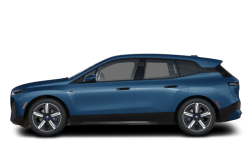
2026 BMW X1 vs 2026 Lexus NX: Which Luxury SUV Fits You?
August 31 2026,
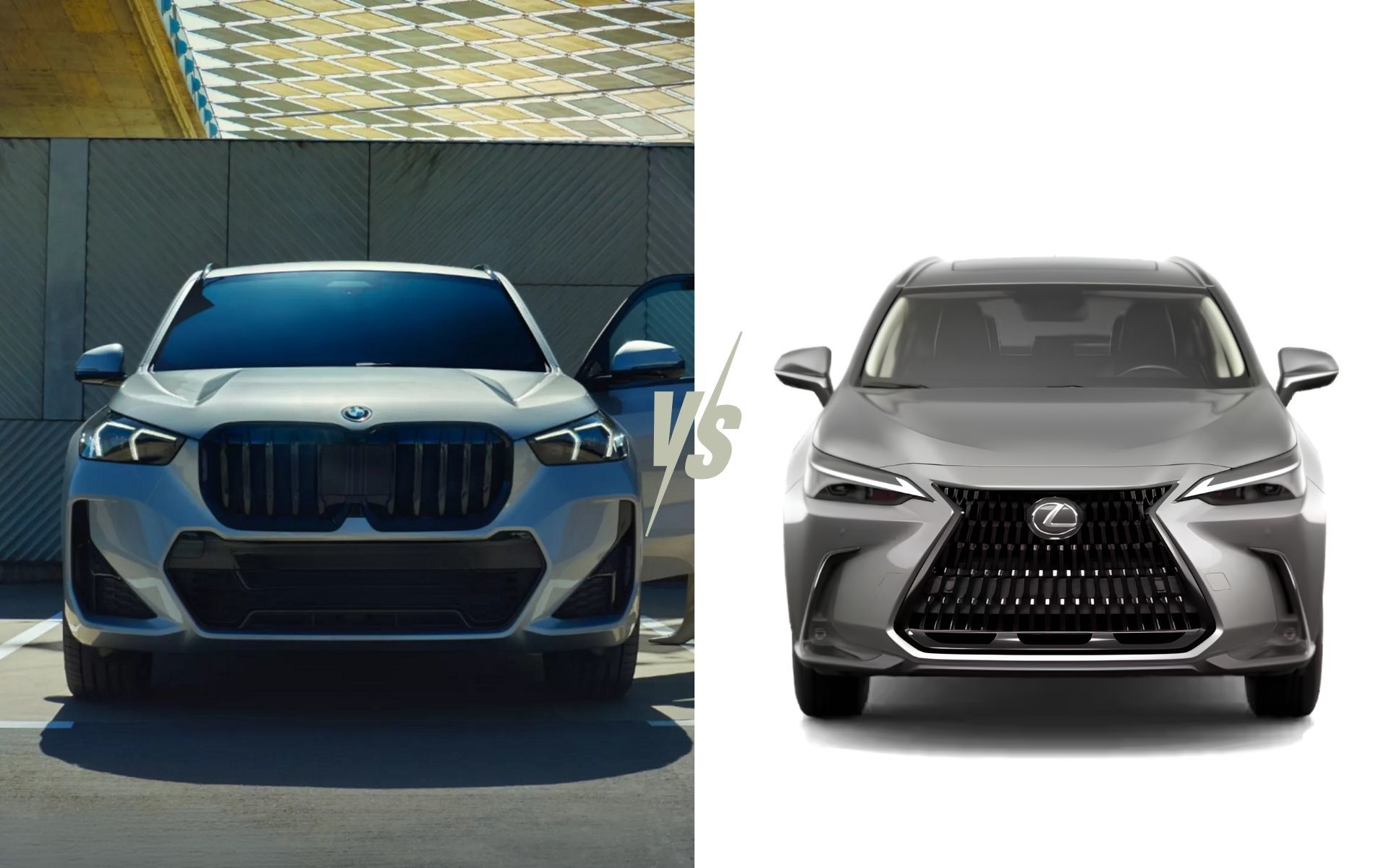
Choosing between two premium compact SUVs involves more than comparing horsepower. For Canadian drivers, fuel economy, winter traction, cabin technology, cargo space, comfort, and driving character can all influence which model makes more sense.
The 2026 BMW X1 and 2026 Lexus NX approach the segment differently. The BMW emphasizes compact proportions, responsive performance, and a highly digital cabin, while the Lexus offers stronger output in its NX 350 and a broader range of gas, hybrid, and plug-in hybrid powertrains.
View 2026 BMW X2 Inventory
Performance: Responsive Driving vs. Stronger Output
The BMW X1 xDrive28i uses a 2.0-litre turbocharged four-cylinder engine producing 241 horsepower and 295 lb-ft of torque. It sends power through a seven-speed dual-clutch transmission and standard xDrive all-wheel drive. BMW lists a 0–100 km/h time of 6.4 seconds for the Canadian model.
That combination gives the BMW a responsive character without requiring a larger engine. The substantial torque figure can be particularly useful when merging onto highways or accelerating through city traffic.
The Lexus NX 350 uses a 2.4-litre turbocharged four-cylinder producing 275 horsepower and 317 lb-ft of torque. It pairs that engine with an eight-speed automatic transmission and standard all-wheel drive.
On paper, the Lexus has the advantage in both horsepower and torque. However, outright output is only part of the driving equation. The BMW's smaller dimensions and dual-clutch transmission deliver a more immediate, agile feel, while the Lexus offers stronger engine output and a more traditional automatic transmission.
Quick Comparison
|
Feature |
2026 BMW X1 xDrive28i |
2026 Lexus NX 350 |
|
Engine |
2.0-litre turbo four-cylinder |
2.4-litre turbo four-cylinder |
|
Horsepower |
241 hp |
275 hp |
|
Torque |
295 lb-ft |
317 lb-ft |
|
Transmission |
7-speed dual-clutch |
8-speed automatic |
|
Drivetrain |
Standard AWD |
Standard AWD |
|
Seating |
5 |
5 |
|
Cargo Volume |
Up to 1,550 litres |
Up to 1,328 litres |
Fuel Economy: BMW Has the Efficiency Edge
Fuel consumption can become one of the most important factors for someone who spends thousands of kilometres on the road every year.
The X1 xDrive28i is rated at approximately 9.7 L/100 km city, 7.1 highway, and 8.5 combined, depending on Canadian configuration and testing data.
The gasoline-powered NX 350 is rated at approximately 10.9 L/100 km city, 8.5 highway, and 9.8 combined.
That gives the BMW a meaningful efficiency advantage among the two gasoline models. For commuters covering substantial distances, the difference could become more noticeable over the course of ownership.
However, Lexus gives shoppers additional options. The NX lineup includes NX 350h hybrid and NX 450h+ plug-in hybrid variants, offering alternatives for buyers who prioritise fuel efficiency or electric driving capability.
A Digital Cabin With Different Luxury Philosophies
Inside, BMW takes a distinctly digital approach. The X1 features a BMW Curved Display combining a 10.25-inch digital instrument display with a 10.7-inch central touchscreen. Wireless Apple CarPlay and Android Auto provide familiar smartphone connectivity.
The cabin also includes heated front seats, dual-zone automatic climate control, ambient lighting, and an available wireless smartphone charging pad, depending on configuration.
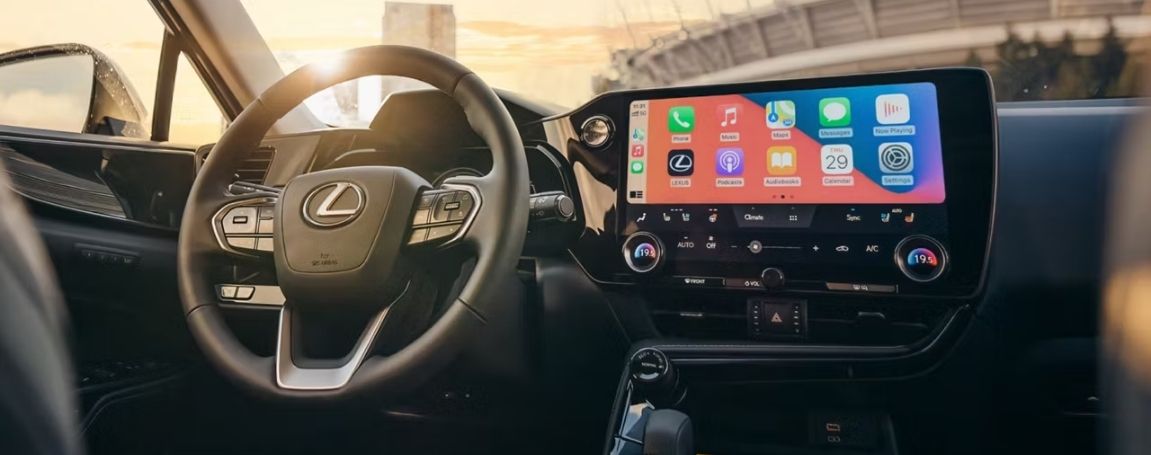
The Lexus NX uses the Lexus Interface multimedia system, with a standard 9.8-inch touchscreen and an available 14-inch display on higher grades. Wireless Apple CarPlay and Android Auto are also available, while upper trims can add premium audio, a larger digital instrument display, and other luxury-focused features.
The difference is more about philosophy than capability. BMW creates a cockpit centred on its integrated curved display, while Lexus offers a more traditional layout, with the option to upgrade to a larger central screen and additional premium equipment.
Exterior Design: Understated or More Expressive?
The BMW has a relatively upright profile, prominent kidney grille, slim LED lighting, and short overhangs. Its compact dimensions give it a substantial presence without feeling oversized for urban driving.
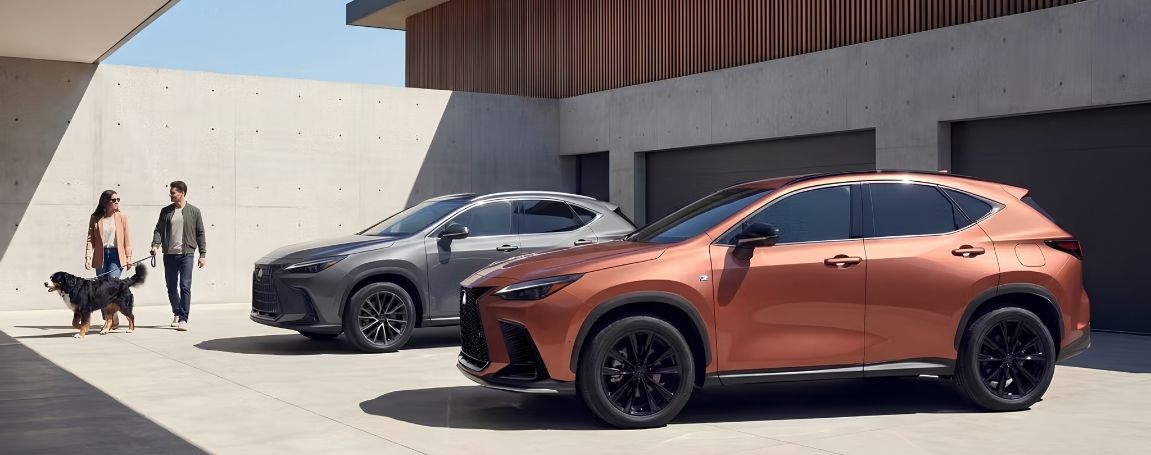
The Lexus takes a more dramatic approach. Its spindle-style front design, sculpted bodywork, sharp lighting, and available larger alloy wheels give the NX a distinctly expressive appearance.
Available wheel sizes vary by trim. The BMW X1 xDrive28i starts with 18-inch wheels, while the Lexus offers 18-inch wheels and larger 20-inch alloy wheels on selected configurations.
Neither design is objectively better. The BMW likely appeals to shoppers who prefer a restrained, athletic look, while the Lexus targets buyers who want their luxury SUV to make a stronger visual statement.
Safety Technology for Everyday Confidence
Both models offer extensive driver-assistance technology, although the exact equipment depends on trim and available packages.
The BMW includes systems designed to provide collision warnings, lane-departure assistance, blind-spot monitoring, and parking support. Available Driving Assistant Professional adds more advanced highway assistance, while Parking Assistant Plus can provide additional automated parking functions and a surrounding camera view.
The Lexus NX uses Lexus Safety System+ 3.0, which includes technologies designed to support collision avoidance, lane positioning, adaptive cruise control, and traffic-sign recognition. Blind Spot Monitor and Rear Cross Traffic Alert are also available depending on configuration.
These technologies are intended to support an attentive driver rather than replace one. For Canadian commuters, their greatest value can come during highway travel, lane changes, congested traffic, and low-speed manoeuvring.
Practicality: Compact Dimensions vs. Generous Cargo Space
Both SUVs seat five, but their dimensions and cargo layouts differ.
The BMW X1 measures approximately 4,500 mm in length and offers up to 1,550 litres of cargo capacity with the rear seats folded. Its compact exterior dimensions can be useful when navigating tighter parking spaces and urban streets.
The Lexus NX is longer at approximately 4,660 mm and provides up to 1,328 litres of cargo volume with the rear seats folded. Its 206 mm of ground clearance can help on uneven roads and in winter conditions.
Towing capability also differs. The BMW can tow up to approximately 3,500 lbs when properly equipped, while the NX 350 is rated for up to 2,000 lbs.
Drivers who regularly carry bulky items or tow a small trailer should pay attention to these specifications. Meanwhile, shoppers who spend most of their time in dense urban areas may appreciate the BMW's shorter overall length.
Which Luxury SUV Fits Your Priorities?
The BMW X1 makes a strong case for shoppers who prioritize responsive performance, lower fuel consumption among the gasoline versions, compact dimensions, standard AWD, and a technology-focused cockpit.
The Lexus NX 350 becomes particularly attractive for buyers who want more horsepower and torque, a larger turbocharged engine, greater ground clearance, and a broader powertrain lineup that includes hybrid and plug-in hybrid options.
For Canadian driving, both provide useful advantages. The final decision should come down to how you plan to use the vehicle rather than simply choosing the one with the larger specification numbers.
Compare Your Options in Person
A specification sheet can narrow the shortlist, but experiencing the seating position, cabin technology, visibility, and driving response can make the decision much easier. Visit BMW Regina to explore available inventory, discuss current offers and financing options, and arrange a test drive with an automotive specialist.